Charging Infrastructure

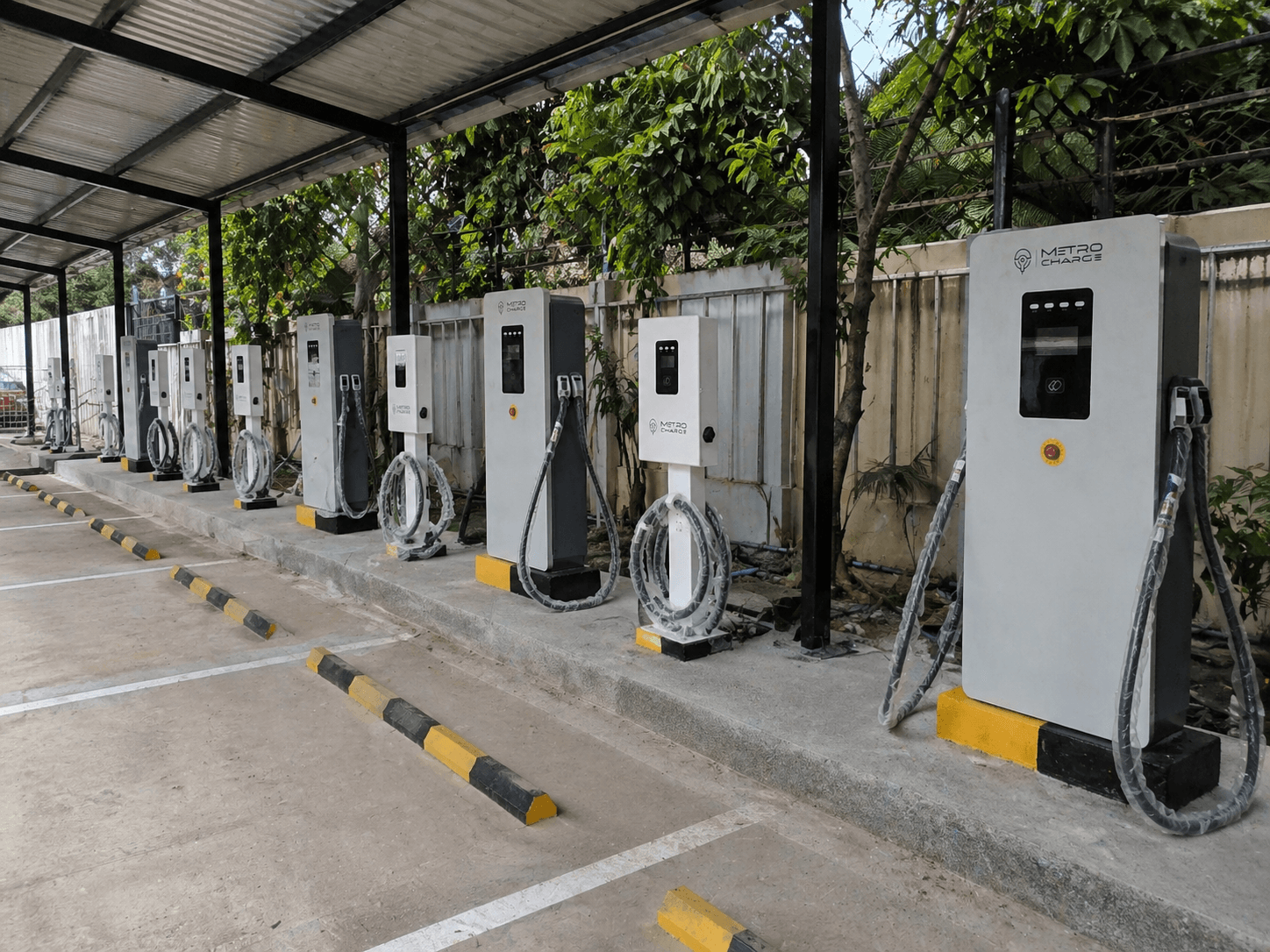
Metro Charge: Electric Vehicles (EV) Charging Infrastructure

Recognising the importance of supporting infrastructure, Metro Charge is our network of Electric Vehicles (EV) charging stations in partnership with Sunphos, dedicated to ensuring seamless and convenient charging for all Electric Vehicles (EV) users. Our stations will be strategically located to provide easy access and reliability, supporting the growing adoption of EVs across the continent.

Guide Scope

Level 1 to Industrial

Power Range

1.4 kW to 1 MW+

Deployment Fit

Homes, Hubs & Fleets

Metro Charge: Electric Vehicles (EV) Charging Infrastructure

EV-first planning, deployment and long-term support.

This service is positioned as part of a broader electric mobility ecosystem, combining infrastructure thinking, operational fit, and practical implementation support.

Charger classGrid readinessDeployment use case

Key Pillars

Charging network planning for growing EV demandInfrastructure deployment with reliability in mindAccessible station placement for daily convenienceFoundational support for broader EV ecosystems

Charging Infrastructure Guide

A structured view of EV charger types, technical requirements, and real-world applications.

4

Charger classes

4

Requirements

4

Use cases

Charger Types

Power levels and charging speeds

Metro Charge planning spans basic AC charging, faster destination charging, DC fast charging, and industrial systems.

Level 1 Charger

120V AC single-phase charging at 1.4-1.9 kW, typically adding 3-5 miles of range per hour through a standard household outlet.

Level 2 Charger

208V-240V AC charging at 3.3-22 kW, commonly adding 10-30 miles of range per hour for homes, workplaces, hotels, and public parking.

Level 3 DC Fast Charger

200V-1000V DC charging at 50-350 kW, delivering rapid public charging for highways, urban hubs, and high-traffic corridors.

Industrial Charging Station

High-capacity depot and heavy-duty charging from 100 kW to 1 MW+, designed for buses, trucks, ports, mining, and large fleets.

Infrastructure Requirements

Electrical, network, and energy systems

Each charger class carries different installation demands, from simple dedicated circuits to utility-scale power infrastructure.

Level 1 Installation

Uses a dedicated 15A or 20A household circuit with SAE J1772 equipment in North America; best as basic, backup, or PHEV charging.

Level 2 Installation

Requires a dedicated 30A-100A, 240V circuit, wall or pedestal EVSE, permitting, inspection, and often licensed electrical work.

DC Fast Installation

Typically needs three-phase 480V utility service, transformers, concrete pads, conduit, network connectivity, and payment monitoring.

Industrial Installation

May involve medium-voltage service, custom switchgear, cable management, BESS peak-demand control, SCADA, and 24/7 duty-cycle design.

Applications & Technologies

Use cases from home charging to fleet depots

The right charging format depends on vehicle battery size, dwell time, site power, route pattern, and operating intensity.

1

Residential & Backup Charging

Level 1 and Level 2 charging for overnight home use, short-commute drivers, PHEVs, rental properties, and temporary charging needs.

2

Destination Charging

Level 2 charging for workplaces, hotels, shopping centres, retail parking, and multi-unit residential buildings.

3

Corridor Fast Charging

DC fast charging for long-distance travel, petrol-station-style stops, urban charging hubs, and revenue-generating public networks.

4

Fleet & Heavy-Duty Charging

Industrial systems for bus depots, logistics terminals, ports, airports, mining sites, military depots, pantographs, V2G, and smart load balancing.

EV Mobility Support

Build the right electric mobility stack for your operation.

From deployment planning to charging, fleet support, and maintenance, we can help you shape a cleaner mobility system around real operating conditions.